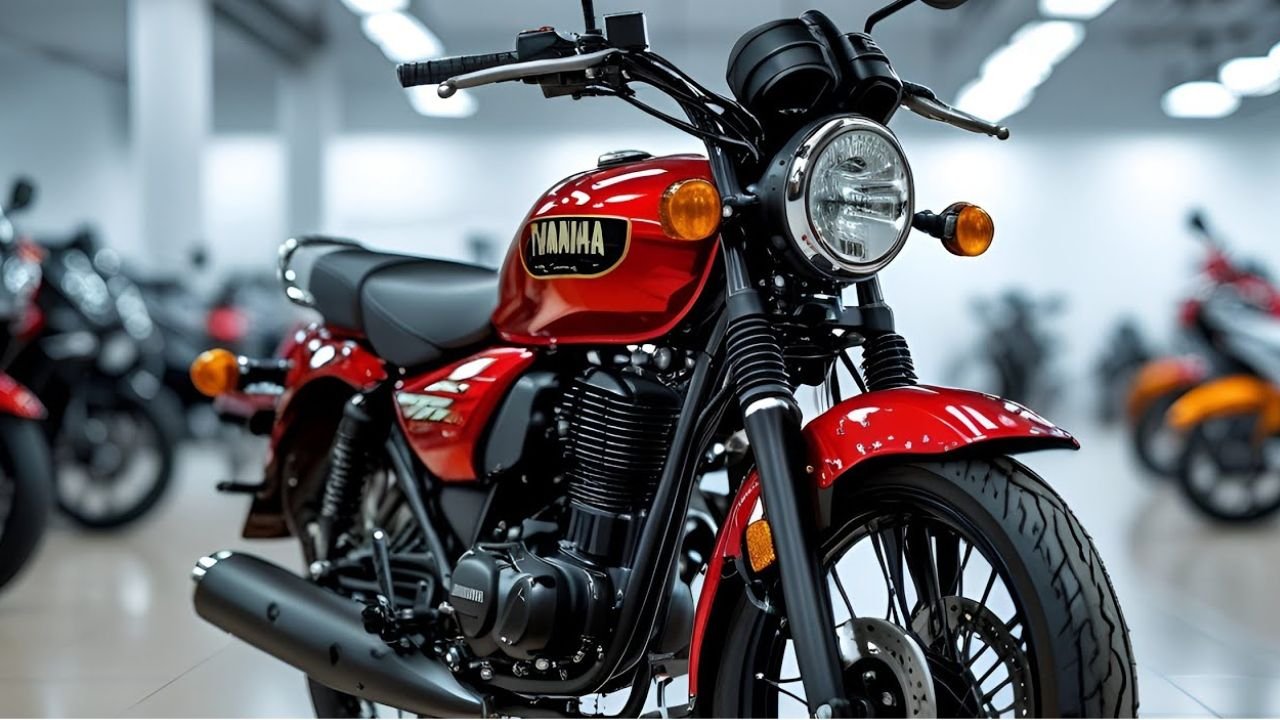
For Indian bike lovers, very few motorcycles carry the same emotional value as the Yamaha RX100. It is not just a machine; it is a memory, a feeling, a thrill that defined an entire riding generation. In the 80s and 90s, every youngster’s dream was to own the iconic Yamaha RX100, known for its raw performance, lightning-fast acceleration, lightweight handling, and the unforgettable exhaust note that still gives riders goosebumps. Even decades after discontinuation, the craze for the Yamaha RX100 has only grown stronger.
Alto 800 2025 New Model Launched with Bold Look and 33 Km/l Mileage
Today, the bike continues to inspire new-age motorcyclists, restorers, collectors, and enthusiasts who want to relive the golden era of Indian biking. This 1400-word special article dives deep into the rich history, performance, design, features, popularity, and emotional legacy of the Yamaha RX100—rewritten with a human touch to keep you engaged.
Yamaha RX100 – A Legend Reborn in Hearts
The Yamaha RX100 is often remembered as the most thrilling 100cc bike India ever saw. With its iconic styling, lightweight body, and powerful 2-stroke engine, the RX100 became a status symbol on Indian roads. Riders fondly recall how they felt unstoppable while riding it. The bike offered a rare combination of speed, sound, and style that no other motorcycle of its time could match.
Even today, thousands of RX100 units are restored and modified across India, proving how immensely loved the Yamaha RX100 still is. Whenever this bike roars past you, you immediately recognize its signature sound—sharp, crisp, and unbelievably exciting.
Key Highlights of the Yamaha RX100
Below are the iconic specifications that once made the Yamaha RX100 dominate Indian roads:
| Feature | Details |
|---|---|
| Engine | 98cc, air-cooled, 2-stroke |
| Power | Around 11 HP |
| Gearbox | 4-speed manual |
| Weight | ≈100 kg |
| Top Speed | ≈100 km/h |
| Brakes | Front & rear drum brakes |
| Fuel Efficiency | 25–30 km/l |
| Suspension | Telescopic front, Swingarm rear |
| Production | 1985–1996 |
| Legacy | A cult classic with unmatched charm |
These specs may look simple today, but during the 80s and 90s, the Yamaha RX100 was far ahead of its competition. It offered thrilling pickup, responsive controls, and a distinctive feel that no modern motorcycle can replicate.
Why the Yamaha RX100 Became a Sensation in India
There wasn’t just one reason for its popularity—there were many. The Yamaha RX100 struck the perfect balance between performance and practicality.
1. Jaw-Dropping Acceleration
The two-stroke engine produced instant power. The moment you twisted the throttle, the bike surged forward with a burst of energy. For young riders, this thrill was unmatched. Even today, modified Yamaha RX100 bikes often win drag races because of their quick acceleration.
2. Lightweight Body
At around 100 kg, this bike offered easy handling and superb maneuverability. Riders could effortlessly zip through narrow lanes, take sharp turns, or enjoy long highway stretches.
3. Iconic Sound
The exhaust note was unmistakable. It wasn’t just noise—it was music for riders. That crisp, high-revving sound became the identity of the Yamaha RX100.
4. Stylish Design
The RX100 had a simple yet sporty design:
-
Slim tank
-
Straight seat
-
Glossy paint
-
Clean side panels
-
Unique RX graphics
Its clean styling still looks classy, proving how timeless the Yamaha RX100 design truly is.
5. Reliability and Simplicity
The engine was simple enough to be repaired even by small local mechanics. Spare parts were cheap and easily accessible during the RX100 era, making it the ideal bike for daily use.
Key Features That Made the Yamaha RX100 Stand Out
The Yamaha RX100 wasn’t overloaded with features, but the few it had were perfectly engineered:
Power-Packed 98cc Engine
Even though it was just a 98cc engine, it produced around 11 HP—more than many bigger bikes of its time. The two-stroke technology allowed quick combustion, giving the RX100 an impressive power-to-weight ratio.
Smooth 4-Speed Gearbox
The 4-speed manual gearbox offered clean gear shifts and played a huge role in the bike’s acceleration. Riders loved how quickly the bike responded, making every ride exciting.
Effective Suspension
With telescopic forks in the front and a strong swingarm in the rear, the Yamaha RX100 delivered a comfortable ride on city roads as well as rough patches.
Drum Brakes
Although simple, they were effective due to the bike’s lightweight design.
These features combined to create a motorcycle that felt far ahead of its time.
Why the Yamaha RX100 Became a Cult Classic
The cult status of the Yamaha RX100 is not accidental. It was built through decades of performance, reliability, and emotional connection.
1. Easily Modifiable
The RX100 became the top choice for:
-
Drag racing
-
Street racing
-
Restoration projects
-
Vintage modifications
-
Cafe racer builds
-
Scrambler conversions
Its engine and chassis allowed mechanics to tune it for more power, making it a favourite in the racing community.
2. Timeless Design
Even after 30+ years, the Yamaha RX100 still looks stylish. Thus, the bike never feels outdated.
3. Emotional Value
For many riders, the RX100 was their first bike. For some, it was a family legacy. For others, it was a symbol of freedom. The emotional connection is so strong that people pay lakhs for restored models today.
4. Low Maintenance
The simple mechanics of the RX100 ensured long life, reliability, and easy repairs.
5. Collectors’ Pride
Fully restored RX100s regularly make headlines. Collectors treat them like masterpieces. Owning a well-maintained Yamaha RX100 today feels like owning a piece of Indian motorcycling history.
Frequently Asked Questions About the Yamaha RX100
Why Was the Yamaha RX100 Discontinued?
Stricter emission norms forced manufacturers to move away from two-stroke engines. Sadly, this meant the end of the RX100 in 1996.
Is the RX100 Available Now?
No, it is no longer manufactured. However, used and restored models are available in good condition across India.
How Much Does a Used Yamaha RX100 Cost Today?
Depending on condition:
-
Basic used models: ₹50,000 – ₹80,000
-
Fully restored units: ₹1,00,000 – ₹1,50,000
-
Rare editions or perfectly restored models: ₹2,00,000+
The prices reflect the rising demand.
Is the Yamaha RX100 Still Good for Daily Use?
Yes, with proper maintenance. But:
-
Fuel efficiency is lower (25–30 km/l)
-
Spare parts require effort to source
-
Emissions are higher
-
Two-stroke engines need frequent tuning
Still, many riders use their RX100 proudly as a daily commuter.
What Made the RX100 Faster Than Other Bikes?
Its lightweight build and two-stroke engine offered high power output and quick acceleration. This simple combination made the Yamaha RX100 a rocket on roads.
The Legacy of the Yamaha RX100: More Than Just a Motorcycle
The Yamaha RX100 created a revolution in India. It defined a generation of riders who believed in performance, passion, and pure motorcycling. Unlike modern motorcycles filled with electronics, the RX100 offered a raw and real riding experience.
Even today, when you see someone riding this legendary machine, you instantly feel the charm. The sound, the style, the road presence—everything about the RX100 screams nostalgia.
It’s that rare bike that makes strangers smile, sparks old memories, and connects riders emotionally.
Conclusion
The Yamaha RX100 will always remain a timeless icon. Its powerful 2-stroke engine, thrilling pickup, lightweight design, and classic styling made it one of India’s most loved motorcycles. Even though production ended long ago, the legend continues to live through riders, restorers, and enthusiasts across the country.
If you ever get a chance to own or ride a RX100, don’t miss it. It’s more than transportation—it’s history, passion, and pure joy on two wheels.
Some Important Link
| Download News APP | Click Here |
| WhatsApp Group | Click Here |
| Home Page | Click Here |